Skip to content

Artists

Rough Mix Meaning: A Practical Decision Guide

Rough mix meaning explained through a music producer reviewing a detailed pre-mix in a recording studio

A rough mix is an early mix used to make decisions. It should tell you whether the arrangement works, the main elements sit together, and the creative direction feels right. It can contain EQ, compression, panning, and effects. It does not need the precision or polish of a final mix. Think of it as a reliable map for the song—not the freshly paved road.

Tempos Explained: BPM, Tempo Marks, and Changes

A conductor, metronome, and musical score illustrating tempos, BPM, tempo marks, and changes in musical performance.

Tempo tells you how fast music moves. Yet “make it faster” is not enough when a vocalist, producer, and mix engineer are working in different studios. You need an exact BPM, a clear reference beat, and notes for every speed change. Otherwise, stems drift, edits miss the grid, and someone records a perfect take against the wrong click. Here is how to define, choose, verify, and communicate tempo without ambiguity.

Music File Naming Conventions: Team Template

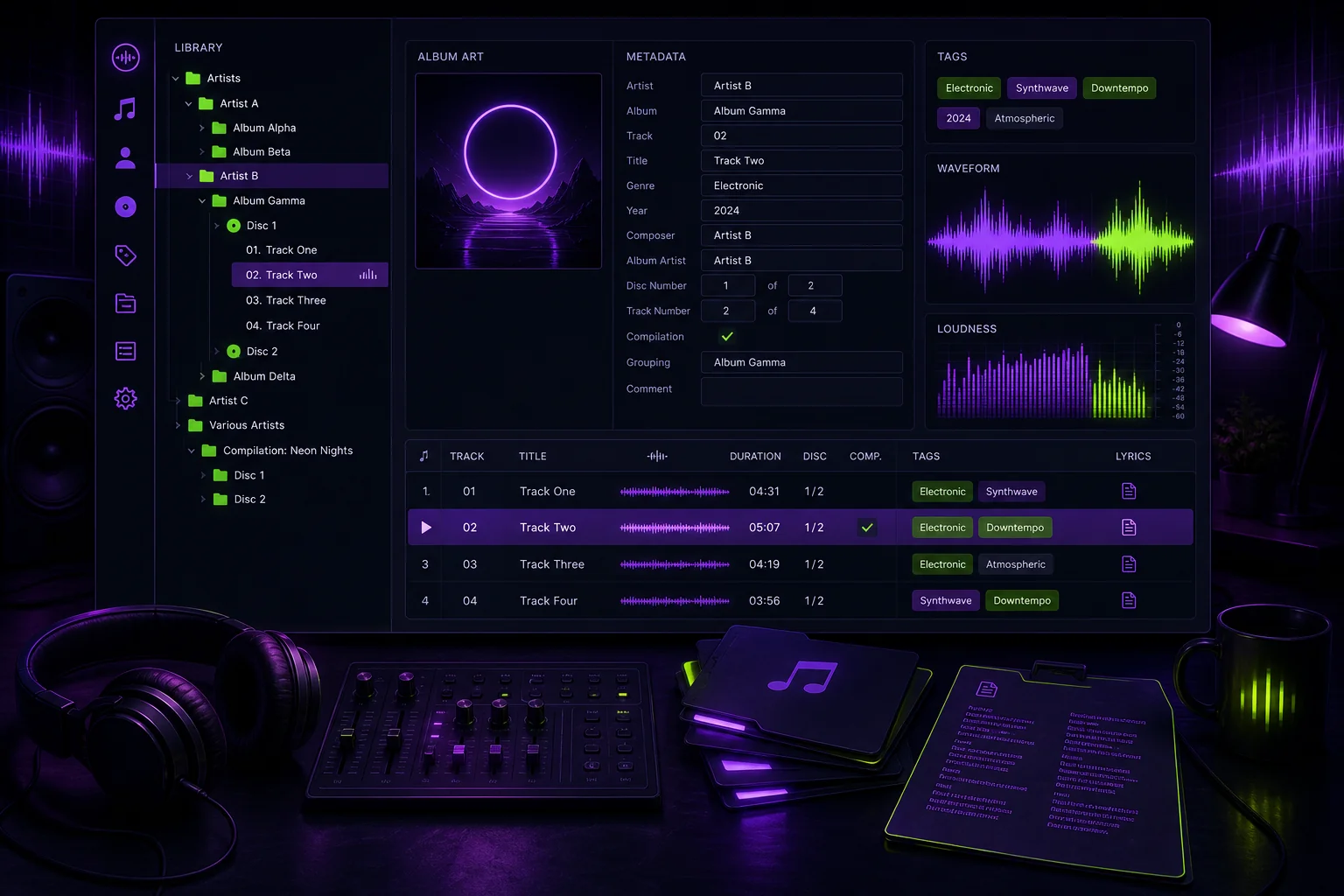
Music file naming conventions guide showing an organized artist, album, and track folder structure for a shared team music library

A file called mix final FINAL 2.wav tells your collaborator almost nothing. Which song is it? Which revision? Is it approved? Music file naming conventions solve that problem before it reaches your DAW, shared drive, or mix engineer. Use one strict template for every take, edit, stem, and bounce:

Archive Music Projects: A Finished Song Checklist

Archive music projects with a finished song checklist showing how to preserve essential audio files, metadata, and creative materials.

A finished song can become unusable surprisingly fast. The master survives, but the session references a missing drive. A vocal preset disappears. Nobody remembers which instrumental was approved. To archive music projects properly, preserve both the deliverables and everything needed to understand, edit, and verify them. Use this checklist before moving a completed song out of active storage.

Stem Gain Staging for Remote Mix Feedback

Stem gain staging for remote mix feedback, with audio stems balanced through a signal chain before review.

Remote mix feedback becomes unreliable when everyone hears a different balance. The producer auditions isolated exports. The vocalist turns down the instrumental. The mixer imports everything under a limiter. Then the team debates the chorus without reviewing the same mix.