Skip to content

SoundisiaK Studio Blog

Product announcements, deep dives into collaborative music production, and engineering notes from the One-Click-Flare team.

Want to start making music together? Head over to soundisiak.studio — or discover how the platform takes you from idea to master and lets you share your music without headaches.

Archive Music Projects: A Finished Song Checklist

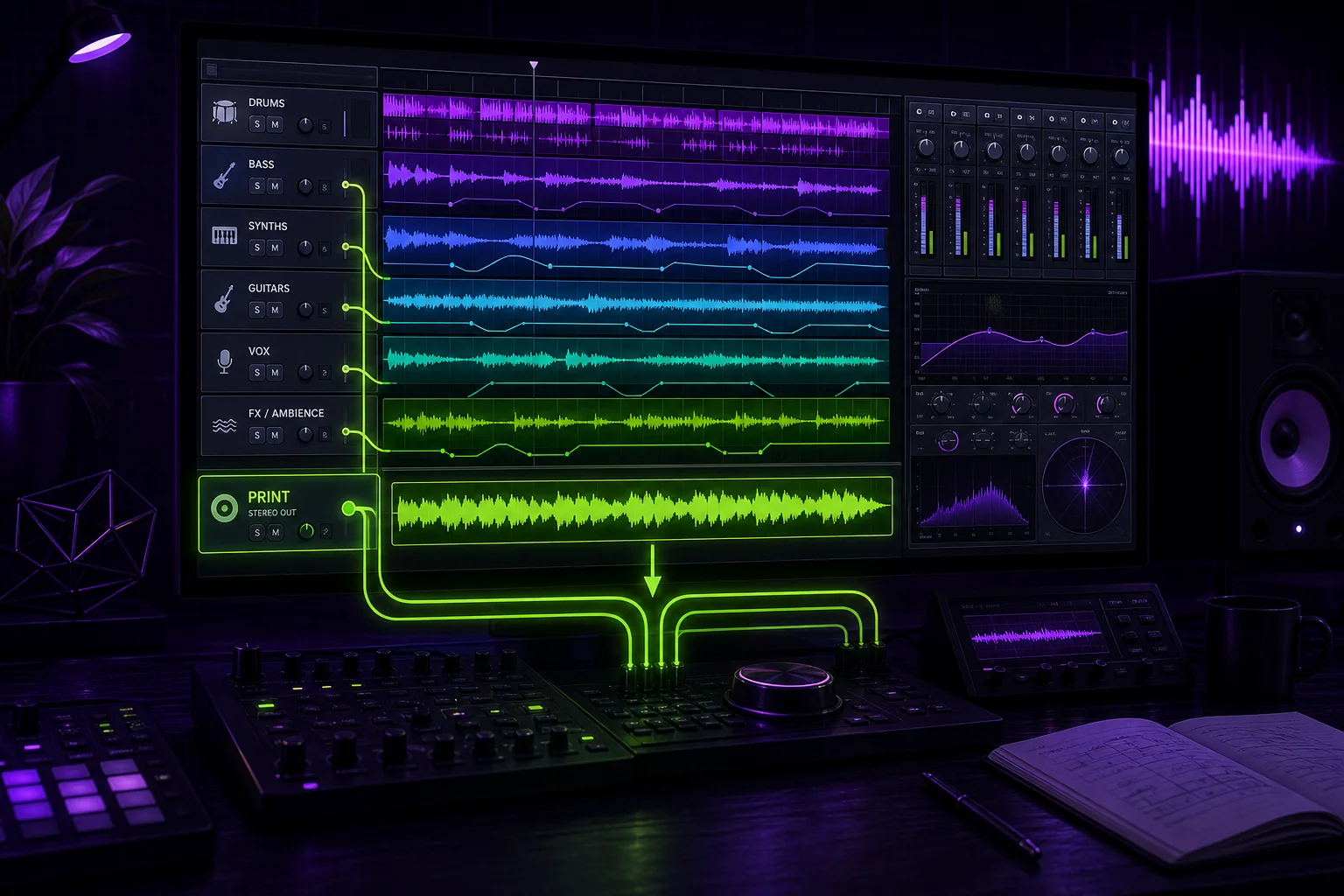
Archive music projects with a finished song checklist showing how to preserve essential audio files, metadata, and creative materials.

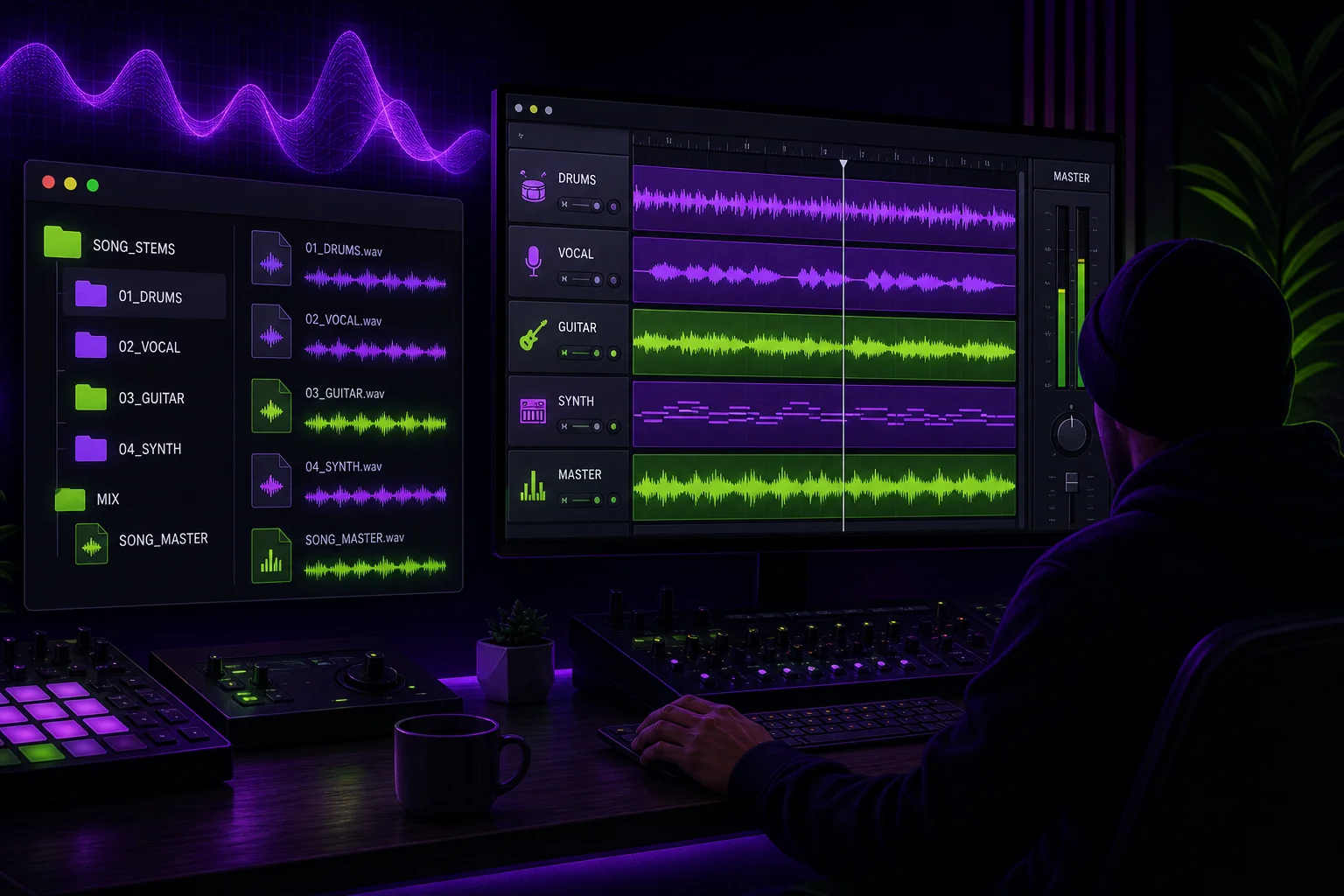
A finished song can become unusable surprisingly fast. The master survives, but the session references a missing drive. A vocal preset disappears. Nobody remembers which instrumental was approved. To archive music projects properly, preserve both the deliverables and everything needed to understand, edit, and verify them. Use this checklist before moving a completed song out of active storage.

Stem Gain Staging for Remote Mix Feedback

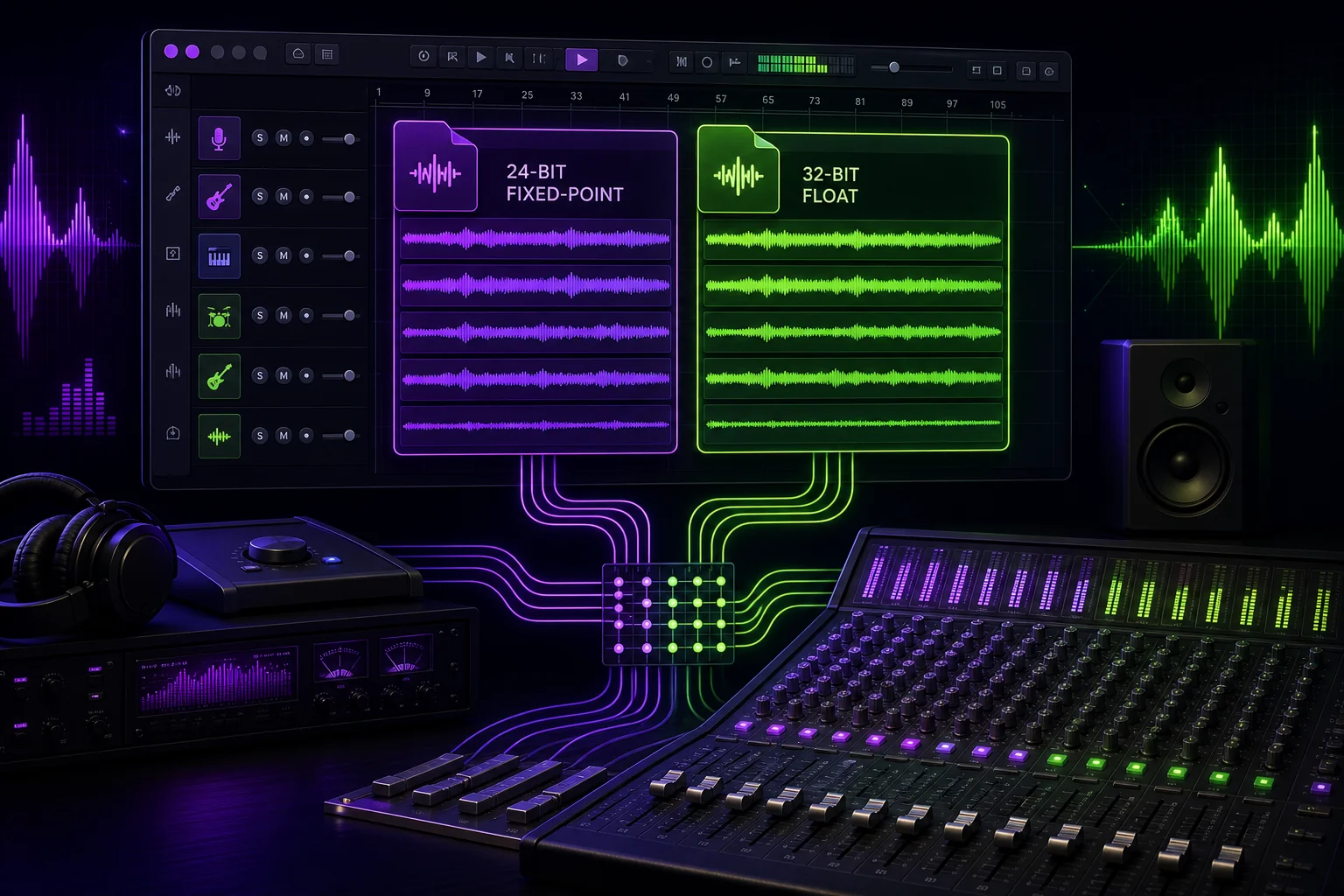
Stem gain staging for remote mix feedback, with audio stems balanced through a signal chain before review.

Remote mix feedback becomes unreliable when everyone hears a different balance. The producer auditions isolated exports. The vocalist turns down the instrumental. The mixer imports everything under a limiter. Then the team debates the chorus without reviewing the same mix.

Digital Audio Workstation: From Audio to Final Export

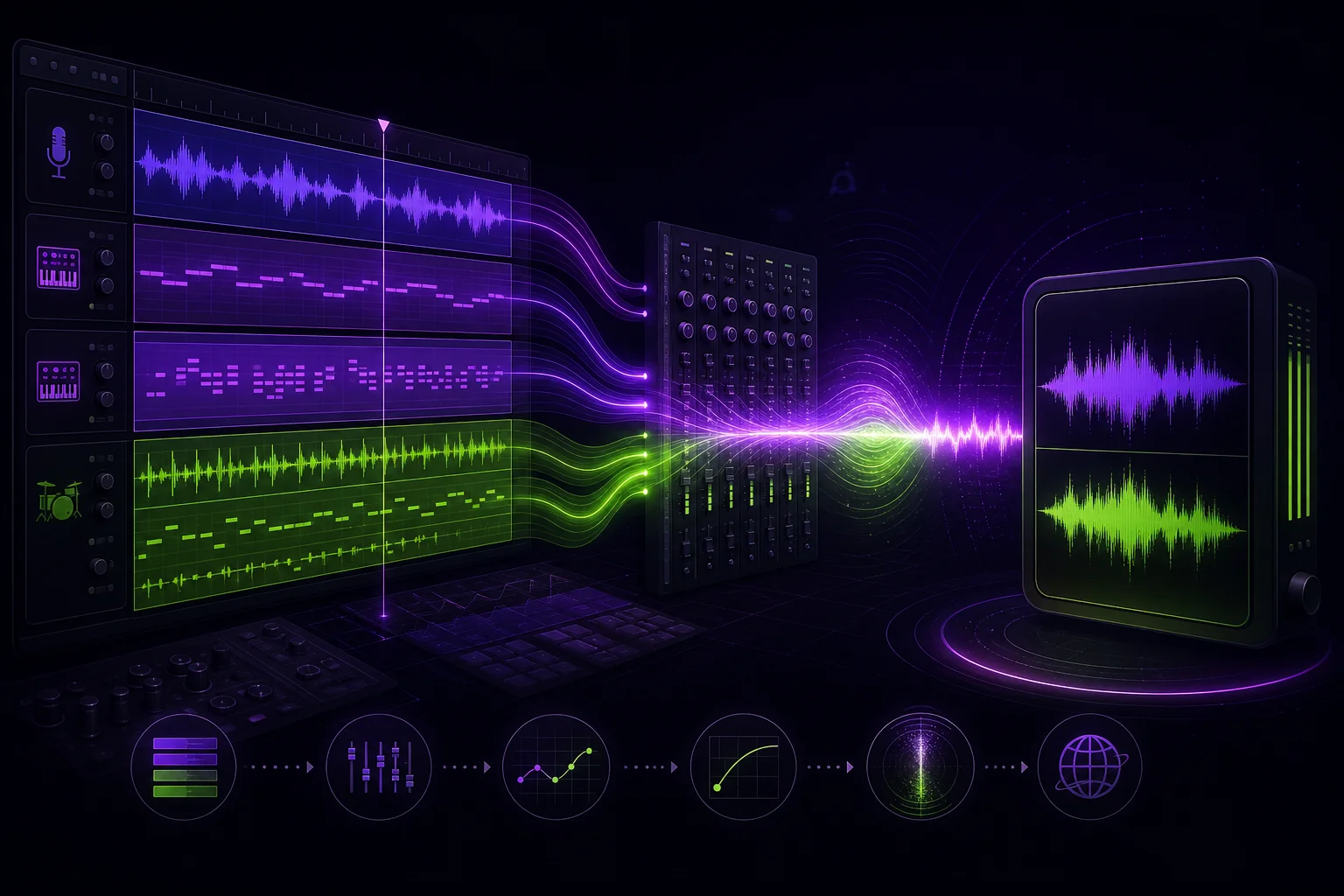
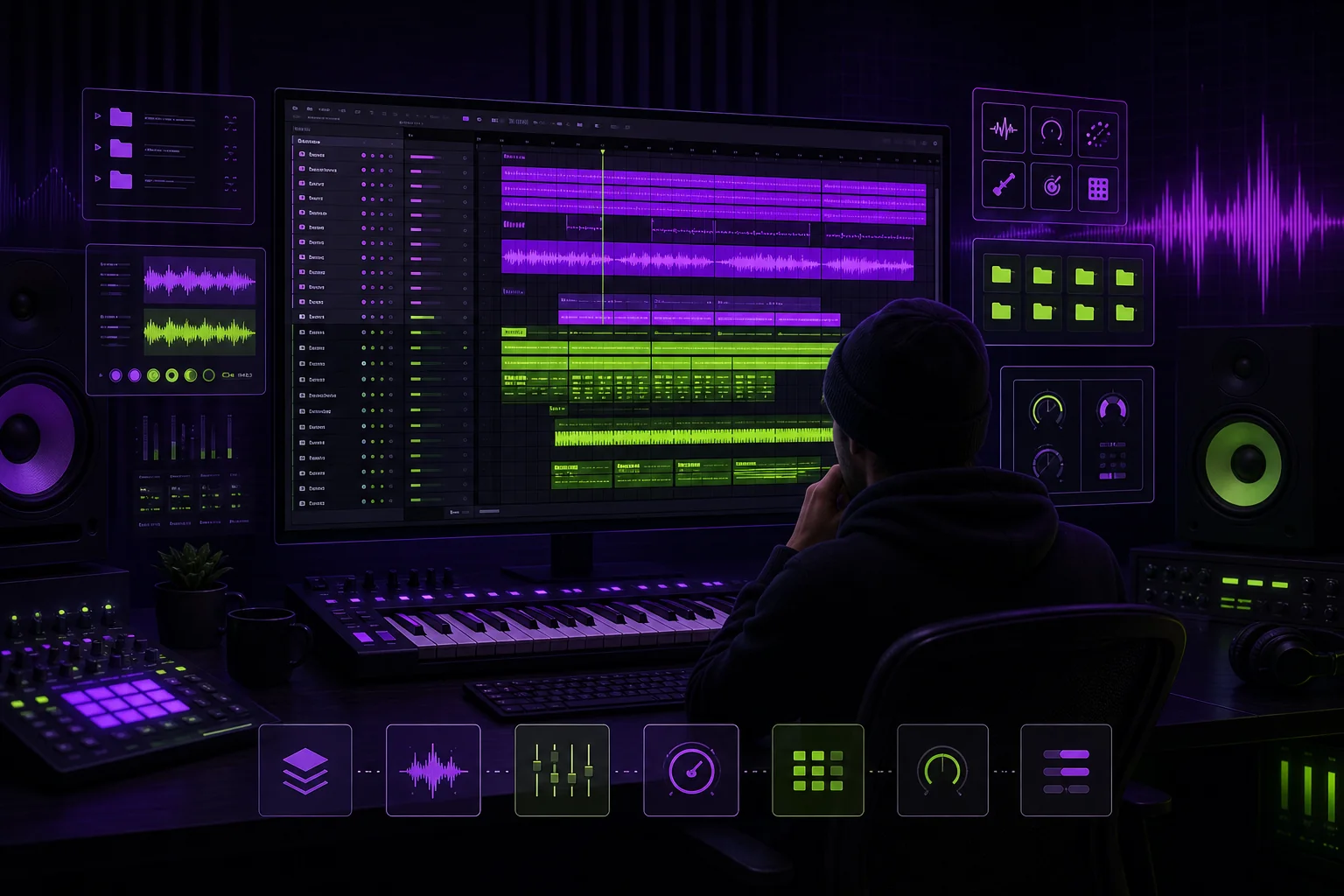
Digital audio workstation interface showing audio tracks, software instruments, mixing controls, and a final export workflow.

A digital audio workstation can look like a cockpit when you open it for the first time. Tracks, meters, clips, plugins, buses, and buttons everywhere. The basic job is simpler: a DAW gives you one place to capture sounds, shape performances, assemble a song, mix it, and export a file. Here is what that process looks like for one vocal-led track, followed by a practical way to choose the right DAW for your workflow.

Music project backup: Build a 3-2-1 system

Music project backup system showing a DAW session protected by local drives, a NAS, and an off-site cloud copy.

A DAW session is not backed up because you copied it to another folder on the same drive. If that drive fails, both folders disappear together. A reliable music project backup system keeps your working session, raw recordings, stems, and final exports in separate, recoverable copies. The practical approach is the 3-2-1 rule: three copies, two storage types, and one off-site copy. Here is how to apply it to every session without turning studio work into IT support.

Stems vs Multitracks: What to Send

Stems vs multitracks explained with grouped audio stems and individual tracks prepared for mixing and mastering.

If someone asks you for stems, do they want grouped instrument files or every recorded track? Those are different deliveries. Send the wrong one and your collaborator may lack the control needed to finish the job.

BandLab Remote Collaboration Checklist: Artist + Producer

BandLab remote collaboration between an artist and producer creating music online together

Can BandLab carry a remote song from the first idea to an approved export without creating version chaos? That is the useful evaluation question. Not how many features appear on a product page. This checklist follows an artist recording vocals at home while a producer builds and mixes the instrumental elsewhere. Because the available source material does not document current plan limits, export options, permissions, or observed results from a live session, those details are treated as decisions to document in the current BandLab workspace rather than assumed features.

DAW: What It Is and How to Choose One

Digital audio workstation software on a computer screen for recording, editing, arranging, and producing music.

A DAW is where a song becomes a project you can finish. It lets you record performances, arrange sections, edit mistakes, shape the mix, and export the result. The difficult part is not finding options. It is choosing one without comparing endless features you may never use. Start with the work you need to do, then check compatibility, workflow, and cost. That is enough to make a sensible first choice.